
A lift breakdown is far more than an inconvenience. It disrupts the working of a building, frustrates the people who depend on it, and at worst leaves someone trapped inside the car. For a care home, a residential block or a public building, a lift out of action can cut off an entire floor and create real difficulty for anyone with mobility needs. No lift can ever be guaranteed never to fail, but the great majority of breakdowns trace back to a handful of causes, most of which can be managed and many of which can be prevented entirely. Understanding what drives them is the first step to keeping your lift dependable, and it builds on our look at common lift problems and how to fix them.
Door Faults
Lift doors do more work than any other part of the lift, opening and closing on every single trip without exception. Over thousands of cycles, that adds up to enormous mechanical wear, so it is little wonder that door-related problems sit among the most common causes of breakdowns.
Worn rollers, misaligned tracks, faulty door sensors and a gradual build-up of dirt and debris in the door mechanism can all bring a lift to a halt. Encouragingly, doors tend to fail slowly rather than suddenly. The signs, a door that sticks, hesitates, judders or makes more noise than it used to, usually appear well before a complete failure. Regular attention catches the overwhelming majority of these issues long before they cause a stoppage, which is why doors are always a priority during a good maintenance visit.
Wear and tear on moving parts
Every lift is a collection of components working under constant mechanical stress. Cables, bearings, guide shoes, brakes and countless smaller parts wear gradually over time, and a worn component left unchecked will eventually fail. This is the nature of any machine in daily use, and it is not a sign that anything has gone wrong, provided the wear is being monitored and parts are renewed before they reach the end of their life.
This is why planned maintenance exists. The aim is to identify components approaching the end of their service life and replace them at a convenient, scheduled moment, rather than waiting for them to fail at the worst possible time. Catching wear early also tends to be cheaper, because a single tired part replaced in good time rarely takes others down with it.
Deferred or inadequate maintenance
Many breakdowns are not really caused by the failed part at all. They are caused by maintenance that was skipped, stretched out or carried out poorly. A small fault that would have been spotted and corrected during a routine visit is instead left to develop quietly until it becomes a full failure. We explored this in our piece on long-term care in preventing lift breakdowns.
Cutting back on maintenance to save money is one of the surest ways to end up paying more in emergency callouts, not to mention the disruption and the strain on the rest of the lift when one neglected fault triggers others. Consistent, competent maintenance is the biggest factor in keeping a lift reliable, and it usually works out cheaper than the alternative once the cost of breakdowns is counted.
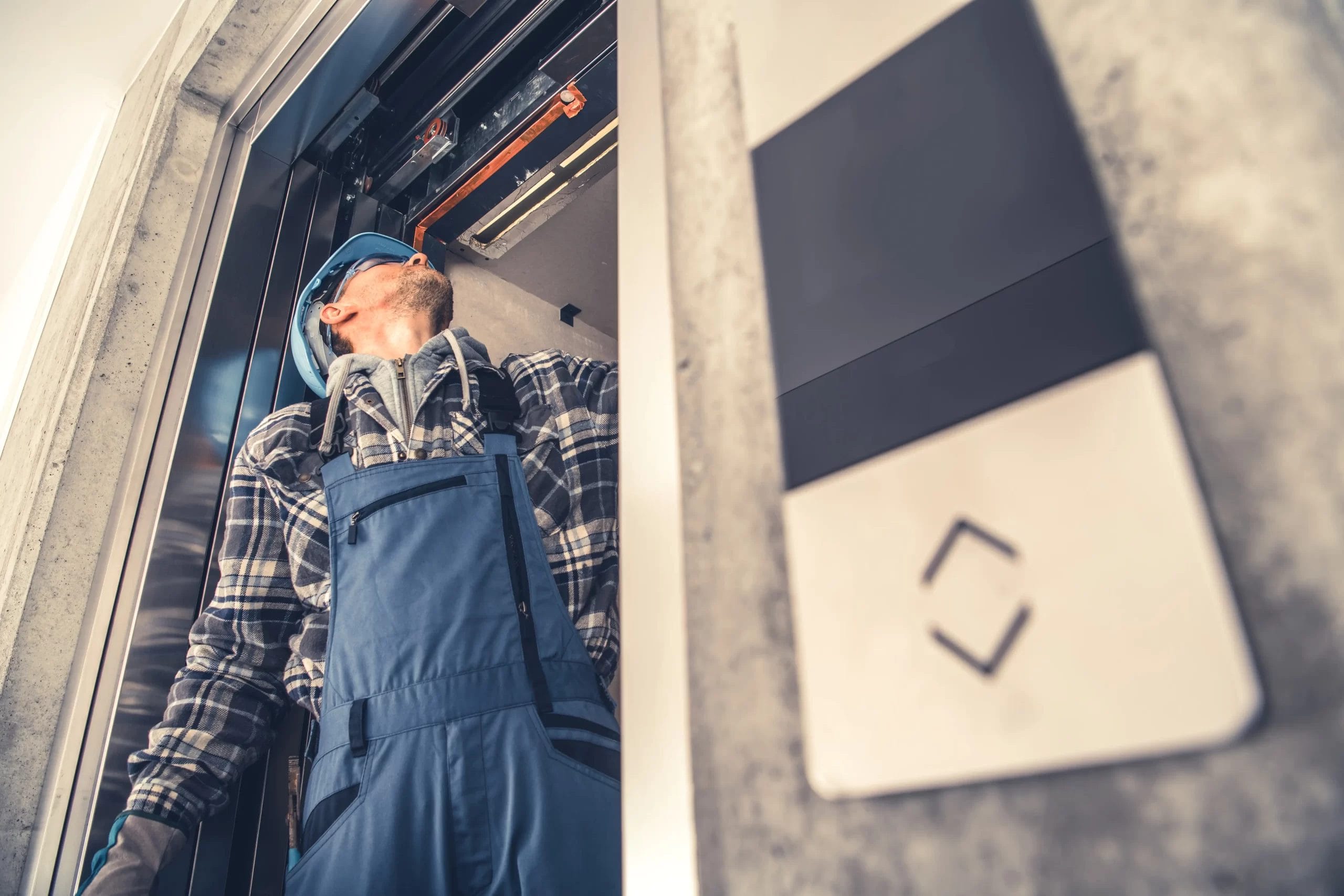
Electrical and control issues
Modern lifts depend on sophisticated electrical and control systems, and faults in the wiring, relays, circuit boards or sensors can bring a lift to a standstill. Power surges, ageing electrical components and the occasional software glitch all add to the risk.
Diagnosing these faults requires a skilled engineer, because the symptoms and the underlying cause are not always in the same place. A lift that stops on a particular floor, or only at certain times of day, may be pointing to an electrical issue that takes proper investigation to trace. This is one area where the engineer’s experience makes a clear difference to how quickly the lift is back in service, since guesswork about a control fault simply wastes time.
Overloading and misuse
Lifts carry clearly stated weight limits for good reason. Persistent overloading puts strain on the motor, brakes, cables and other components, and shortens the life of the whole system. The lift may tolerate it for a while, but the damage accumulates out of sight until something gives.
Rough use takes its toll too. Forcing doors, holding them open for long periods, or pressing buttons repeatedly all add unnecessary wear. Encouraging sensible use among the people in your building helps more than you might expect, and a simple, clearly displayed notice about weight limits and door etiquette can go a long way towards reducing avoidable faults.
Environmental factors
Heat, damp and dust are quiet enemies of any lift. A machine room that is poorly ventilated and runs hot can cause the system to trip, particularly during a warm summer. Moisture encourages corrosion, and a build-up of dust and dirt accelerates wear on moving parts and can interfere with sensitive sensors.
Keeping the lift’s surroundings clean, dry and properly ventilated protects the equipment inside and removes a whole category of avoidable faults. It is an easy factor to overlook precisely because it has nothing to do with the lift mechanism itself, yet a few simple measures around the machine room can prevent problems that would otherwise seem to come from nowhere.
What to do the moment a lift stops
Even with the best maintenance, the occasional fault is possible, so it helps to know how to respond calmly. If anyone is trapped, the priority is to keep them reassured and to make clear that help is on the way, never to force the doors or attempt to free them yourself, which can be dangerous. Use the alarm or emergency phone in the car to raise the alarm, and contact your lift provider so a qualified engineer can attend. Our guide on what to do when your lift malfunctions walks through this step by step.
Once the immediate situation is handled, take the lift out of use and mark it clearly as out of order so nobody else attempts to use it. A note of what happened, including any unusual noises, smells or behaviour beforehand, gives the attending engineer a head start in tracing the cause. Acting in this order keeps people safe and helps get the lift back into service as quickly as possible.
How to reduce the risk
The common thread running through almost all of these causes is that they are predictable and manageable. A consistent programme of planned maintenance, carried out by qualified engineers who know what to look for, catches the overwhelming majority of faults before they ever become breakdowns. Add sensible use, a clean and well-ventilated environment, and prompt attention to early warning signs such as unusual noises or sluggish doors, and you have a lift that stays in service when you need it.
Reliability is far less about luck than most people assume. It is the natural result of looking after the lift properly and acting on the small signs before they grow. Most breakdowns are preventable with the right routine behind them, so if yours has been unreliable, a stronger maintenance plan is usually the fix. If a lift is stuck right now, our repair team can attend quickly. Call or message us, and we will get it moving again.
